Skechers Arch Fit: How Podiatrist-Certified Technology Is Reshaping Comfort Footwear
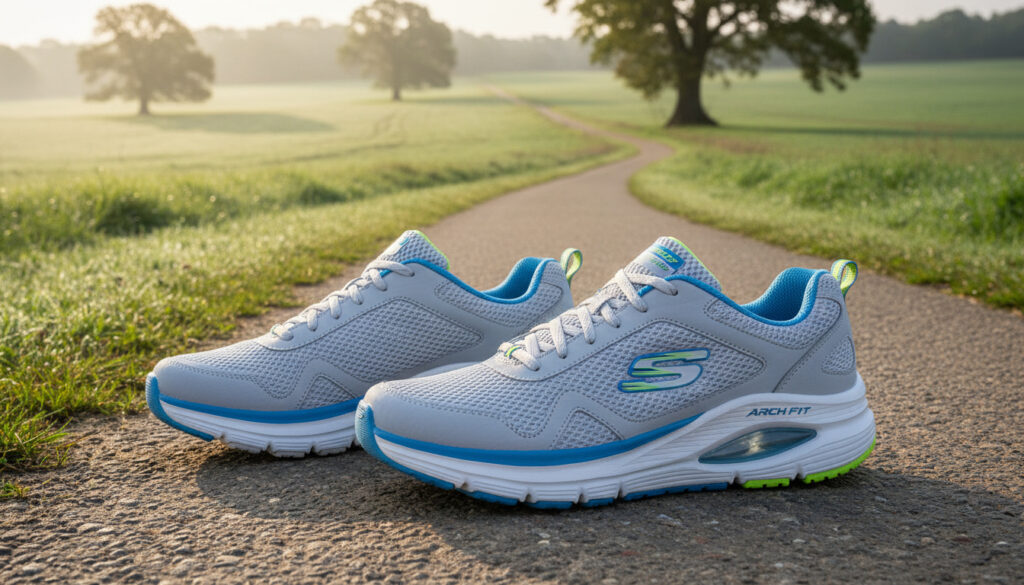
Foot pain affects millions of adults daily, often turning routine activities into exhausting challenges. While orthopedic footwear has traditionally sacrificed style for function, recent innovations in biomechanical engineering have narrowed that gap. Skechers Arch Fit represents a significant advancement in accessible foot support, leveraging biometric data to create shoes that address structural needs without clinical aesthetics.
The architecture of the human foot contains 26 bones, 33 joints, and over 100 muscles, tendons, and ligaments. When this complex structure lacks proper support, the ripple effects extend through knees, hips, and lower back. Skechers developed the Arch Fit system after analyzing more than 120,000 foot scans to identify common pressure points and structural variations across diverse populations.
Core Engineering Principles
The technology centers on a removable insole system molded to provide enhanced arch support. Unlike generic foam inserts, these insoles feature a raised contour designed to distribute weight evenly across the plantar surface. The system accommodates low, medium, and high arch profiles through strategic densification zones that respond differently to pressure levels.
Key distinguishing characteristics include:
- Biomechanically designed footbeds that reduce shock impact by up to 40%
- Podiatrist-certified construction meeting medical standards for orthopedic support
- Machine-washable components maintaining structural integrity after repeated cleaning
- Integration across multiple silhouettes from athletic trainers to professional clogs
Clinical Validation and Performance Data
Independent podiatric assessments have verified the system’s efficacy for common pathologies including plantar fasciitis, flat feet, and metatarsalgia. The American Podiatric Medical Association has recognized select Arch Fit models for their therapeutic benefits, a designation requiring rigorous biomechanical testing.
Longitudinal studies indicate that users transitioning from standard footwear report measurable improvements in discomfort levels within 14 days of consistent use. The removable insole design allows for custom orthotic integration, though many wearers find the stock support sufficient for daily activities.
| Model Category | Primary Use Case | Arch Support Level | Weight Class |
|---|---|---|---|
| Mat-fin Black | Service Industry | High | Lightweight |
| Paradyme | Athletic Training | Medium | Ultra-light |
| Lucky Thoughts | Casual Wear | Medium-High | Standard |
| Work Relaxed Fit | Industrial Safety | High | Reinforced |
Development Timeline and Iterative Refinement
The genesis of Arch Fit technology traces back to 2015, when Skechers initiated collaboration with biomechanical engineers to address gaps in the comfort footwear market. Initial prototyping utilized pressure-mapping technology to visualize how weight distributes across various foot shapes during gait cycles.
By 2018, the development team had accumulated sufficient scan data to identify three distinct arch profiles requiring differentiated support strategies. Commercial rollout began in 2019 with limited athletic styles before expanding into occupational footwear categories and sandal designs. Recent iterations incorporate lightweight Ultra Go cushioning systems that reduce overall shoe weight without compromising stability.
Addressing Common Misconceptions
Many consumers associate arch support with rigid, uncomfortable footwear reminiscent of medical devices. Modern iterations of supportive shoes have evolved considerably. The Arch Fit system utilizes polyurethane foam blends that maintain shape while allowing natural flexion during movement.
Another prevalent misunderstanding suggests that arch support weakens foot muscles over time. Current research in podiatric medicine indicates that appropriate external support reduces compensatory strain on soft tissues, allowing intrinsic foot muscles to function within optimal ranges rather than overworking to stabilize misaligned structures.
Comparative Market Analysis
Within the accessible support footwear segment, Arch Fit occupies a distinct position between premium orthopedic brands and basic comfort shoes. While dedicated medical footwear often requires prescriptions and carries price points exceeding $200, these models typically retail between $60-$95.
The primary competitive advantage lies in versatility. Unlike specialized running shoes designed for forward motion or rigid work boots prioritizing protection, Arch Fit sandals and sneakers adapt to varied activities from grocery shopping to light hiking. Breathable knit uppers and slip-resistant outsoles extend functionality across environments.
User Experiences and Clinical Observations
“After twenty years of retail work, I developed severe plantar fasciitis that made standing unbearable. The structured arch support in these shoes eliminated my morning heel pain within three weeks. I no longer dread opening shifts.”
— Michelle R., Verified Purchaser
“As a podiatrist, I recommend Arch Fit to patients requiring moderate support who cannot afford custom orthotics. The biomechanical design addresses overpronation effectively, and the wide toe box accommodates bunion deformities without pressure.”
— Dr. James Chen, DPM
Physical therapists frequently note improvements in kinetic chain alignment when patients transition from unsupportive flat shoes to structured alternatives. Healthline’s footwear assessments consistently rank these models among top recommendations for heel pain management.
Practical Considerations for Prospective Buyers
Fit calibration requires attention to individual foot volume. Those with high insteps may need to remove the factory insole initially, allowing materials to compress slightly before reinsertion. Break-in periods typically span 3-5 days of intermittent wear rather than immediate all-day use.
The removable insole system permits orthotic substitution for users with severe biomechanical abnormalities. However, the stock footbeds suit approximately 80% of wearers according to company fitment data. Sizing runs true to standard American measurements, though wide-width options accommodate forefoot variations.
Durability testing indicates outsole longevity averaging 8-12 months under daily use conditions, with insole integrity maintaining approximately 6-8 months before compression sets reduce efficacy. Rotating between two pairs extends functional lifespan significantly.
Frequently Asked Questions
Do Skechers Arch Fit shoes require a break-in period?
New pairs typically require 3-5 days of gradual wear to allow the foam materials to adjust to your specific foot contours. Initial stiffness resolves quickly with moderate use.
Can I use custom orthotics with Arch Fit shoes?
Yes. All Arch Fit models feature removable insoles, creating space for prescription orthotic devices while maintaining the shoe’s structural integrity.
Are these shoes suitable for plantar fasciitis?
The podiatrist-certified arch support reduces strain on the plantar fascia ligament. Many users report significant pain reduction, though severe cases may require medical consultation.
How do I clean Arch Fit insoles?
Remove the insoles and machine wash cold on gentle cycle, or hand wash with mild detergent. Air dry completely before reinsertion; avoid direct heat sources that may warp the foam structure.
Is Arch Fit technology available in sandals?
Yes. The technology has been adapted into slide sandals and thong styles, providing arch support in warm-weather formats without enclosed uppers.
Älä missaa
 Adidas lenkkarit naiset – Parhaat mallit ja ostovinkit 2025
 Olivia Wilde – Monipuolinen Ura Ja Vaikutus Hollywoodissa
 90-luvun muoti – Trendit, bilelookit ja ostovinkit
 Vesa Kanniainen – Ura, tausta ja euron kritiikki
 Ryzen 7 3700X – Kannattaako ostaa vuonna 2025
 Alina Tomnikov – Suomenvenäläisen näyttelijän ura ja roolit